

Few events in the Bible are as startling—or as brief—as the account of Lot’s wife. Lot’s wife turning into a pillar of salt after looking back as God’s judges Sodom and Gomorrah is one of the Bible’s biggest mysteries. As God rescued Lot and his family from the doomed cities of Sodom and Gomorrah, they received one simple command:
“Escape for your life! Do not look behind you, nor stay anywhere in the plain. Escape to the mountains, lest you be destroyed.”
Genesis 19:17
Yet only a few verses later, we read that Lot’s wife did not obey God’s command and turned into a pillar of salt:
“But Lot’s wife looked back behind him, and she became a pillar of salt.”
Genesis 19:26
But why would simply looking back result in such a severe judgment? Indeed, if our cities or houses were burning and we left behind many prized possessions, we might also look back. It seems that this brief event might be revealing something deeper about how God judges.
To answer these questions, we must look beyond the surface of the story and understand the pattern of God’s dealings with humanity. In this post, we look at how God judges, how He warns His people, and we try to unpack the mystery of Lot’s wife.

One of the great principles found throughout Scripture is that God reveals His intentions before He acts. God does not reveal them to just anyone, but to His people of mission. The prophet Amos writes:
“Surely the Lord GOD does nothing, unless He reveals His secret to His servants the prophets.”
Amos 3:7
In the same way, before Sodom was destroyed, God spoke with Abraham. In fact, God said:
“Shall I hide from Abraham what I am about to do?”
Genesis 18:17
What follows is one of the most remarkable conversations in the Bible. Abraham intercedes for the city, asking whether God would spare it if righteous people could be found there. God agrees that He would, even if there were only ten righteous people in the city.
This reveals something essential about God’s character. God is not eager to destroy, but rather, He is eager to save. Even as judgment approached, despite all the sins of the city, God was still listening to Abraham’s intercession and extending mercy.
Sodom Had Reached the Point of Judgment
Genesis describes the two cities, Sodom and Gomorrah, as exceedingly wicked. The Lord said to Abraham:
“Because the outcry against Sodom and Gomorrah is great, and because their sin is very grave…”
Genesis 18:20
This “outcry” against Sodom and Gomorrah was not the result of a single act of wrongdoing. Like the world before Noah’s flood, the cities’ corruption had become deeply rooted. The prophet Ezekiel later explains that Sodom’s sins included pride, selfishness, neglect of the poor, and detestable practices.
“This was the guilt of your sister Sodom: she and her daughters had pride, excess of food, and prosperous ease, but did not aid the poor and needy. They were haughty and did an abomination before Me.”
Ezekiel 16:49–50
God’s judgment therefore came after prolonged wickedness—not impulsive anger. We can imagine that God was sitting in Heaven, looking down at these cities for a long time before deciding to render judgment.

In keeping with His methods of warning His people of mission first, before fire fell from heaven, God sent angels to rescue Lot and his family. As fire was falling from the sky, the angels urgently warned Lot and his family:
“Up! Take your wife and your two daughters who are here, lest you be swept away in the punishment of the city.”
Genesis 19:15
Yet even then, Lot hesitated. Genesis tells us:
“And while he lingered, the men took hold of his hand, his wife’s hand, and the hands of his two daughters, the LORD being merciful to him…”
Genesis 19:16
What an incredible statement. This makes us reflect: if I were in Lot’s situation, would I also hesitate leaving everything behind? Would I also look back and watch all my life’s possessions burn?
The rescue itself was an act of mercy.
Even when Lot delayed, God reached out and led them toward safety. This pattern should sound familiar if you know the story of Noah and the ark. Before the flood, God provided the ark through telling Noah to build it. Likewise, before the destruction of Sodom, God provided an escape. In essence, before judgment comes, God provides salvation.

Many people imagine that Lot’s wife merely glanced over her shoulder and looked back. But the context suggests something much deeper. The command that God gave them was clear:
“Do not look behind you.”
Genesis 19:17
The Hebrew idea behind “looking back” carries the sense of turning one’s attention or regard toward something, not just physically looking behind you. Jesus Himself explains the spiritual meaning centuries later. Speaking about His return, He gives a surprising warning:
“Remember Lot’s wife.”
Luke 17:32
Why would Jesus tell His disciples to remember such a brief event? Because He immediately continues to say:
“Whoever seeks to preserve his life will lose it, but whoever loses his life will keep it.”
Luke 17:33
Jesus reveals that Lot’s wife represents something far deeper than curiosity. She physically left Sodom, but her heart remained there. Her body was moving toward salvation, but her affections were still attached to the world she was leaving behind.

Not only in this story, but throughout Scripture, God is concerned not merely with outward actions but with the condition of the heart. Jesus taught:
“For where your treasure is, there your heart will be also.”
Matthew 6:21
Lot’s wife had been offered deliverance. Yet at the critical moment, something behind her still held her attention. In this way, her story becomes a warning about divided loyalty. Leaving behind sin is not merely a matter of changing location, but it is a deeper action connected to the heart. Turning back requires a changed heart.
Judgment and Mercy Meet Together
Many people read the account of Lot’s wife and conclude that God acted harshly. Yet when we step back, we see it is in fact the opposite.
1. God had warned Abraham.
2. God investigated the city.
3. God listened to intercession.
4. God sent angels.
5. God physically led Lot’s family out.
6. God repeatedly urged them to flee.
Every step demonstrates patience and mercy before judgment finally arrived. This reflects the heart of God revealed elsewhere in Scripture. The Lord declares:
“As surely as I live… I take no pleasure in the death of the wicked, but rather that they turn from their ways and live.”
Ezekiel 33:11
Likewise, Peter writes:
“The Lord is not slow concerning His promise… but is patient toward you, not wishing that any should perish, but that all should come to repentance.”
2 Peter 3:9
As we can see from these scripture and this event, judgment was never God’s first desire. Salvation was. However, salvation required trusting God’s word completely.

One of the most frequently asked questions is why Lot’s wife became a pillar of salt. The Bible does not explicitly explain why salt was chosen. Rather than speculating beyond Scripture, it is wise to acknowledge that the text leaves this detail unexplained.
What the Bible does emphasize is the consequence of turning back after being called to safety. Throughout Scripture, physical events often become lasting signs that point to spiritual realities. Lot’s wife became a permanent reminder that hearing God’s warning is not enough.
We must respond in faith.
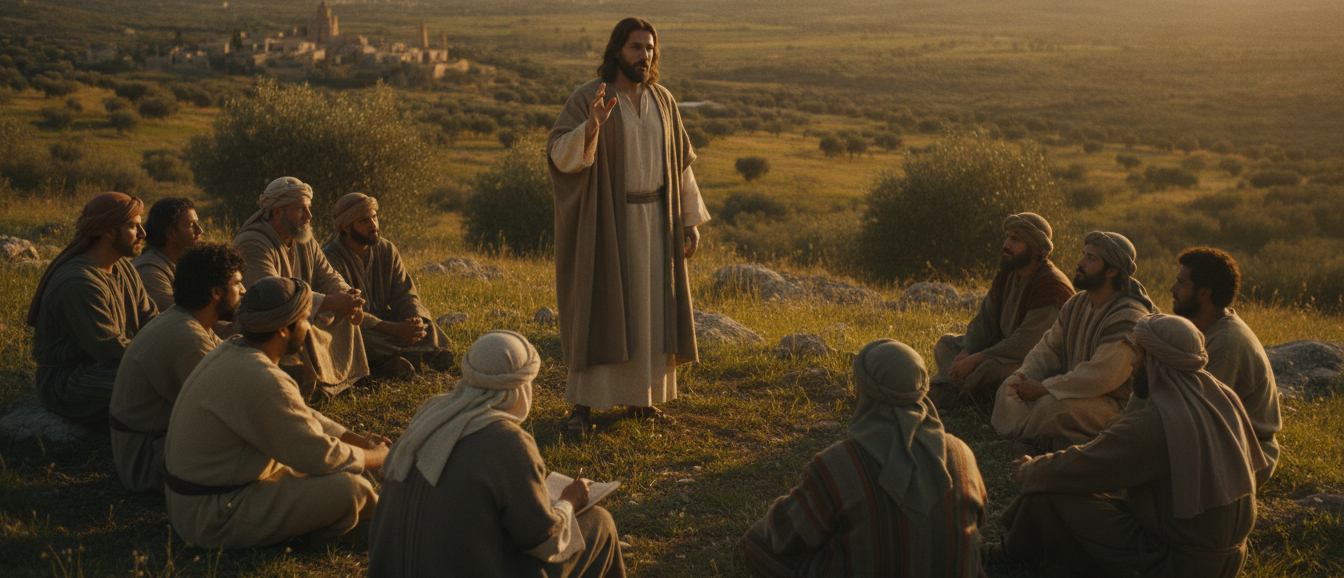
Jesus did not tell us to remember Noah’s ark in the context of Judgment. Rather, He specifically said:
“Remember Lot’s wife.”
Luke 17:32
Why does Jesus refer to Lot’s wife? Because the temptation to look back still exists. When God calls people out of darkness into His kingdom, there is always the temptation to cling to what must be left behind. The story is therefore not merely about one woman in one ancient city.
The story of Lot’s wife is about every person who hears God’s call and must choose to trust Him completely. Just as God called Lot and his family out of Sodom and Gomorrah, God calls us every day and we must choose to respond to His call.
Questions Worth Exploring Further
The account of Sodom raises many fascinating questions:
These questions deserve careful study because they reveal not only the meaning of one historical event but also the consistent character of God throughout Scripture.

Lot’s wife was not turned into salt because God delights in punishment. Her story stands as a solemn reminder that salvation requires trusting God’s word without looking back.
Throughout Scripture, God follows a consistent pattern. God first reveals His plans. Then He warns. Then, most importantly, God extends mercy and provides a way of escape. Only then does judgment come.
That pattern began long before Sodom, continued through Noah, was seen again in Egypt, echoed through the prophets, and ultimately points us to Christ Himself—the One through whom God has provided the final and complete way of salvation.
The question is no longer simply, “Why did Lot’s wife look back?” The deeper question is: when God calls us forward, will we trust Him enough not to look back?