
Unlock the Bible

Find God and Truth in Scripture

Tag: Difficult Bible questions

  • Can Science and Religion Co-Exist?

    Can Science and Religion Co-Exist?

    An issue that has plagued Christianity for centuries is the question of whether science and religion can co-exist. Before the Enlightenment in the 17th century, people took the Bible as fact and absolute truth. However, as people started to study the empirical world, a rift started to grow between science and religion.

    Why so? Because scientific discovery oftentimes directly contradicts the Bible. For example, Isaiah says that when the Lord comes,

    The wolf will live with the lamb, the leopard will lie down with the goat, the calf and the lion and the yearling together; and a little child will lead them.

    Isaiah 11:6

    But, when one looks at the unique anatomy and instincts of animals, this passage seems to contradict the ways in which nature works. In order for a healthy ecosystem to exist, and in order for there to be balance in the world, predatory animals need to eat herbivores. If lions and leopards suddenly started eating grass, their species would be wiped out and lambs and goats would become overpopulated.

    In this post, we will look at two parts of the Bible that seem to directly contradict what science says, and try to navigate these issues through scripture. Let’s start at the very beginning, which is a much-debated topic: the creation of earth and the universe.

    seven days of creation

    In Genesis, the very first book of the Bible, it famously describes God creating the world in seven days. The Bible also clearly says that God created everything and that nothing simply sprang out of existence:

    1 In the beginning God created the heavens and the earth.

    Genesis 1:1

    The Bible then goes on to explain what God did on each day of creation. On the first day, God made light and dark, or day and night:

    God called the light “day,” and the darkness he called “night.” And there was evening, and there was morning—the first day.

    Genesis 1:5

    Then, on the second day, God separated the water on the earth from the water in the sky:

    God called the vault “sky.” And there was evening, and there was morning—the second day.

    Genesis 1:8

    On the third day, the Bible says, God made the continents and separated them from the seas. On this day, God also made the plants and vegetation.

    12 The land produced vegetation: plants bearing seed according to their kinds and trees bearing fruit with seed in it according to their kinds. And God saw that it was good. 13 And there was evening, and there was morning—the third day.

    Genesis 1:12-13

    On the fourth day, God made two lights, one to govern the day and one to govern the night. In essence, it is the creation of the sun and the moon:

    17 God set them in the vault of the sky to give light on the earth, 18 to govern the day and the night, and to separate light from darkness. And God saw that it was good. 19 And there was evening, and there was morning—the fourth day.

    Genesis 1:17-19

    Finally, on the fifth day, God created the fish in the oceans, and the birds that fly in the air, and God blessed them to multiply over the earth.

    22 God blessed them and said, “Be fruitful and increase in number and fill the water in the seas, and let the birds increase on the earth.” 23 And there was evening, and there was morning—the fifth day.

    Genesis 1:22-23

    Then, on day 6, God made the mammals and right at the end, human beings. God also blessed all the creatures and humans to multiply and increase in number. Finally, at the end, it says that,

    31 God saw all that he had made, and it was very good. And there was evening, and there was morning—the sixth day.

    Genesis 1:31

    On day 7, God looks at all His amazing creation and rests. The Bible says that,

    Thus the heavens and the earth were completed in all their vast array. By the seventh day God had finished the work he had been doing; so on the seventh day he rested from all his work. Then God blessed the seventh day and made it holy, because on it he rested from all the work of creating that he had done.

    Genesis 2:1-3

    what does science say?

    Because of these scriptures, many people feel like there is a dilemma between science and religion. The biggest issue is, of course, that according to carbon dating and various scientific studies of the earth and the universe, the earth was created over 4.5 billion years and not merely seven days. The universe is even older: scientists believe that the Big Bang happened around 13.8 billion years ago.

    Another issue is scientific evidence of dinosaur fossils. Scientists believe that the dinosaurs roamed the earth for around 150 million years and before them various amphibians and sea creatures. Sharks are one of the oldest species on earth, having existed from over 200 million years ago, and so forth.

    This all seems impossible to consolidate, but the Bible does give us some clues on how to interpret these passages. For example, Peter reveals something interesting about how God calculates time:

    But do not forget this one thing, dear friends: With the Lord a day is like a thousand years, and a thousand years are like a day.

    2 Peter 3:8

    From this scripture in 2 Peter, we can denote that perhaps the Bible isn’t talking about days as we calculate it, but days as God calculates them. We must also remember that Genesis was given to Moses, who wrote it, as revelation. Moses, like any human being, was not present at the creation of the world. Only a few books later, in Joshua, there is another scientific anomaly.
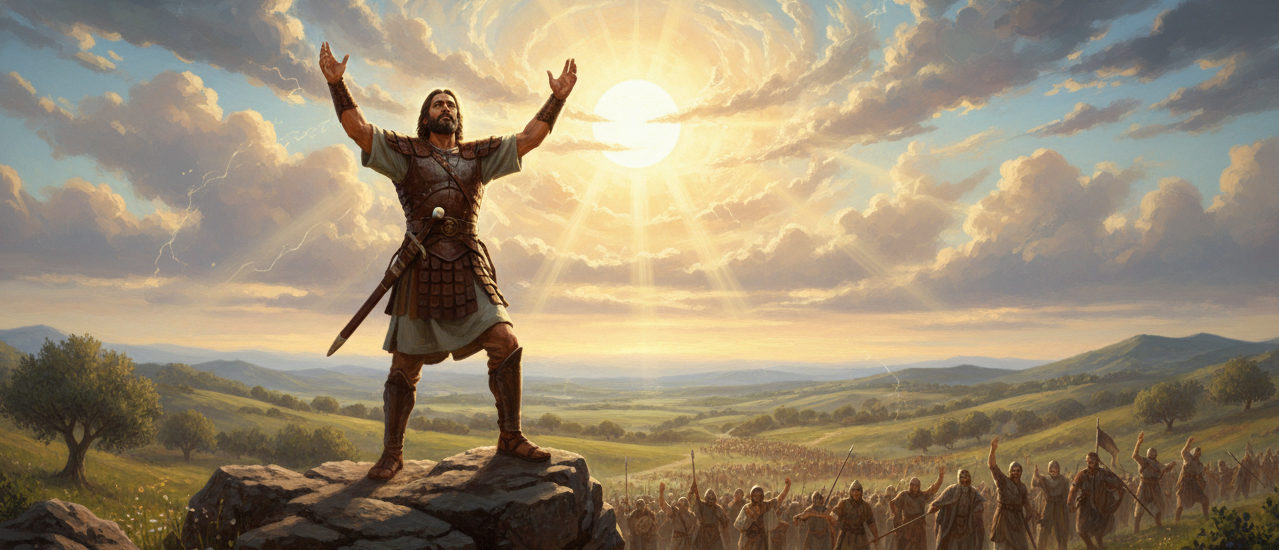
    Joshua stopping the sun

    In the book of Joshua, there is a scripture that has riddled theology and caused debate among scientists and religious people for decades. It is the famous story about Joshua stopping the sun:

    12 On the day the Lord gave the Amorites over to Israel, Joshua said to the Lord in the presence of Israel:

    “Sun, stand still over Gibeon,
        and you, moon, over the Valley of Aijalon.”
    13 So the sun stood still,
        and the moon stopped,
        till the nation avenged itself on[b] its enemies,

    as it is written in the Book of Jashar.

    The sun stopped in the middle of the sky and delayed going down about a full day. 14 There has never been a day like it before or since, a day when the Lord listened to a human being. Surely the Lord was fighting for Israel!

    Joshua 10:12-14

    This miracle is perhaps one of the greatest in the Bible, as it takes place on such a large scale. For any scientist, however, the notion of the sun standing still is ridiculous. As of the 16th century, it is generally accepted that the heliocentric theory is true: the earth rotates around the sun, which is stationary.

    Apart from Joshua simply stopping an object that already does not move, the notion of time stopping is pure science fiction. Many scientists might argue that it is impossible for time to stop for one person and not for anyone else, since there is no record in history of a day that has gone missing despite such claims by believers.

    Regarding this incident, the Bible gives us another clue on how to interpret such phenomena. In 1 Corinthians, Apostle Paul says something strange:

     For we know in part and we prophesy in part, 10 but when completeness comes, what is in part disappears. 11 When I was a child, I talked like a child, I thought like a child, I reasoned like a child. When I became a man, I put the ways of childhood behind me. 12 For now we see only a reflection as in a mirror; then we shall see face to face. Now I know in part; then I shall know fully, even as I am fully known.

    1 Corinthians 13:9-12

    What is interesting about this scripture is that Saint Paul speaks about not being able to see clearly in a mirror. In the 21st century, we have very clear mirrors that are the same as seeing face to face. However, in the Bronze Age, which is when Paul was alive, they used bronze plates for mirrors, which aren’t very clear. From Paul’s context, then, this comparison makes perfect sense.

    where does this leave us?

    From this discussion, we can discern two methods to consolidating science and religion. The first method is that we must look from God’s perspective and not from our own. The second is that we must read the Bible through the perspective of the time period. The scripture in Joshua took place around 3500 years ago. If we consider it from Joshua’s perspective, we might find that there is a reasonable explanation.



    would you like to know how joshua stopped the sun?

    Sign up for our weekly online Bible study sessions to find out how science and religion can be in harmony as we look at these scriptures and more.

  • Is Fate Real?

    Is Fate Real?

    The issue of fate is as old as time. In John Milton’s Paradise Lost, which is a poem from the Renaissance, God and the Angels have a long conversation about choice. They discuss why God would place a tree in the middle of the Garden of Eden that will cause Adam and Eve to sin.

    16 And the Lord God commanded the man, “You are free to eat from any tree in the garden; 17 but you must not eat from the tree of the knowledge of good and evil, for when you eat from it you will certainly die.”

    Genesis 2:16-17

    Surely God knows that Adam and Eve will be tempted and eat the fruit? Yet, God places the tree in the garden anyway. Adam and Eve fall, they are driven out of Eden, and humankind is cursed because of their choice to eat the fruit.

    23 So the Lord God banished him from the Garden of Eden to work the ground from which he had been taken. 24 After he drove the man out, he placed on the east side[e] of the Garden of Eden cherubim and a flaming sword flashing back and forth to guard the way to the tree of life.

    Genesis 3:23-24

    Even in today’s society, movies, video games, and many other parts of pop culture explore the issue of fate. In The Matrix, Neo has to make a choice that changes his destiny: drink the red pill and continue living in ignorance, or drink the blue pill and learn the truth about humans and the machines.

    In Terminator: Judgment Day, Sarah Connor receives a vision of the end of the world and assumes that judgment day is inevitable. That is, until she decides to make her own fate and intervene. Because of her intervention, humankind avoids a nuclear apocalypse.

    The future is not set. There is no fate but what we make for ourselves.

    Sarah Connor, Terminator 2: Judgment Day

    Clearly, even in the advanced twenty-first century, human beings still grapple with the issue of fate. We wonder, is my destiny predetermined? What are the limits of God’s intervention? Where does my responsibility as a human being end and where does God’s begin? In this post we will look at some of the origins of fate and how we got to where we are now.

    Where it started

    Let’s travel 400 years into the past. Human beings just got out of the Black Death and the Medieval times. Science has made important discoveries, like the heliocentric theory. It is no longer taboo to dissect cadavers and researchers now use the scientific method.

    In the realm of art, Michelangelo and Da Vinci are creating some of the greatest masterpieces like David and the Mona Lisa. Da Vinci is inventing flying machines and other feats of engineering. In essence, human beings are discovering for the first time in 1000 years that it’s great to be human.

    I have been impressed with the urgency of doing. Knowing is not enough; we must apply. Being willing is not enough; we must do.

    Leonardo Da Vinci

    Of course, in religion, there are also revolutions taking place. Geoffrey Chaucer already started criticizing the corruption of the Church in his Canterbury Tales in the fourteenth century. But by the Renaissance, this corruption reached its peak.

    Through the selling of indulgences, people no longer needed sincere contrition but could simply buy their time off purgatory. In other words, by giving money to the Church, you could secure your place in heaven.

    Your gifts lie in the place where your values, passions and strengths meet. Discovering that place is the first step toward sculpting your masterpiece, Your Life.

    Michelangelo

    Because of this system, and the overall humanism of the Renaissance, people no longer focused on God. Instead, society started to believe in making their own destiny, which caused them to drift away from faith.

    We could even say that this human determinism carried over from the Renaissance and is still around today. Even now, many of us believe that if we work hard, we can be successful, whether God helps or not.

    The great pivot

    Because of the Renaissance society’s focus on humanism, a great pivot took place. Martin Luther, in the sixteenth century, saw the corruption of the Church and posted his 95 Thesis. In this document, Luther points out all the contradictions of the church and starts the Protestant Reformation.

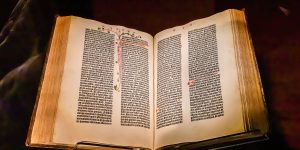
    The Gutenberg Bible, 1455

    Luther also translated the Bible from Latin into the Vulgate, German. Because of the invention of the Gutenberg Press around the same time, he was able to print and distribute the Bible to the masses. This translation is known as the Gutenberg Bible, which you might be familiar with.

    Luther also started a doctrine that John Calvin took further after Luther’s death: absolute predestination. In contrast to the Renaissance belief that humans can achieve anything by their own power and the Catholic practice of buying a spot in Heaven, Calvin said that God has predestined everything. Indeed, there are many scriptures in the Bible that speak about this. In the book of Romans, it says that it does not depend on human effort, but on God:

    14 What then shall we say? Is God unjust? Not at all! 15 For he says to Moses, “I will have mercy on whom I have mercy, and I will have compassion on whom I have compassion.” 16 It does not, therefore, depend on human desire or effort, but on God’s mercy.

    Romans 9:14-17

    In Ephesians, Paul says that we have been predestined to become children of God:

    4 For he chose us in him before the creation of the world to be holy and blameless in his sight. In love 5 he predestined us for adoption to sonship through Jesus Christ, in accordance with his pleasure and will—

    Ephesians 1:4-5

    According to Galatians, God called us even before we were born:

    15 But when God, who set me apart from my mother’s womb and called me by his grace, was pleased 

    Galatians 1:15

    In other words, despite humans thinking that we can determine our fate, God is in control of everything. According to this doctrine, God has predetermined our fate for our lives and our eternal destiny as well. No matter what I do on earth, it will not change where I go after I die.

    Where does this leave us?

    Like the Renaissance idea of human exceptionalism, the notion of absolute predestination has also carried over into modern society. So as twenty-first century humans, we are torn between the two and don’t know where one ends and the other begins.

    This is even more difficult for us as believers, because the Bible talks about both God’s responsibility and our responsibility. It seems like God predestined certain things, but that there are many things that are determined by our actions as well. The lump of clay is a good example. The Bible speaks of God’s authority:

    21 Does not the potter have the right to make out of the same lump of clay some pottery for special purposes and some for common use?

    Romans 9:21

    But the Bible also speaks of human responsibility:

    20 In a large house there are articles not only of gold and silver, but also of wood and clay; some are for special purposes and some for common use. 21 Those who cleanse themselves from the latter will be instruments for special purposes, made holy, useful to the Master and prepared to do any good work.

    2 Timothy 2:20-21

    So again, we are left with the same dilemma. Am I in control of my fate, or is God in control of everything? The Bible seems to give us two answers, which doesn’t make it any easier for us. What do you think? Am I in control of my own destiny? Let us know your thoughts in the comments!


    Would you like to know if you are in control of your destiny?

    Join our free online Bible study to find out about fate and other questions!

  • Why Was Lot’s Wife Turned into Salt?

    Why Was Lot’s Wife Turned into Salt?

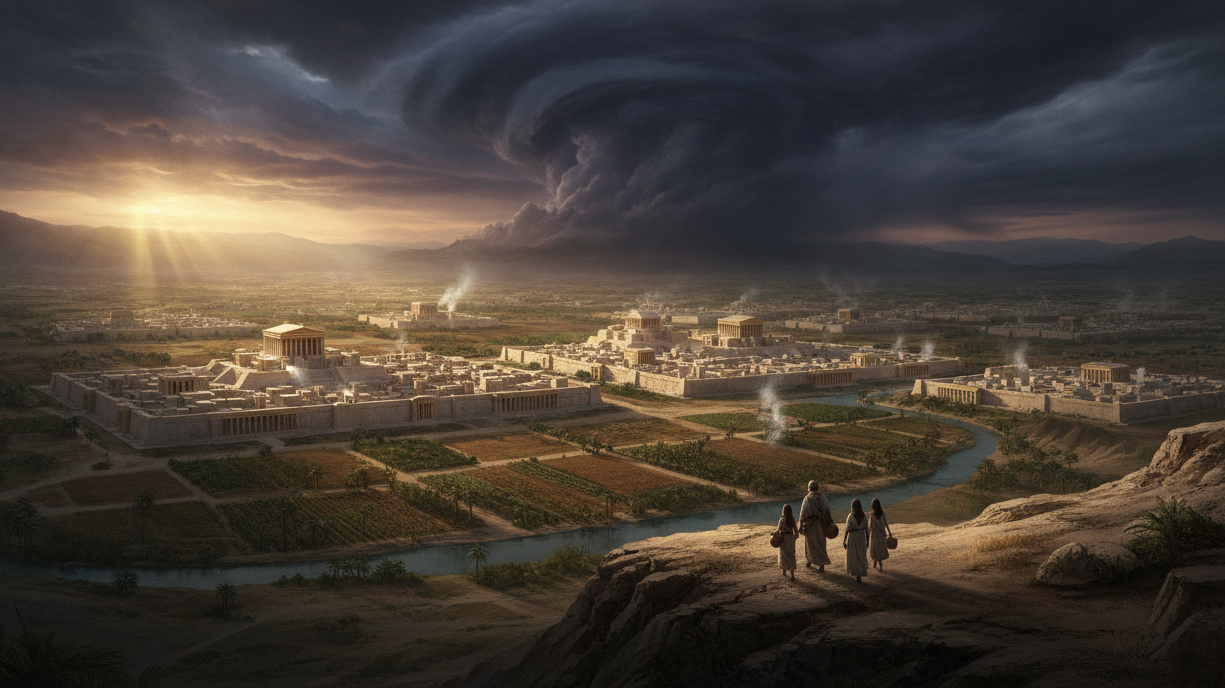
    Few events in the Bible are as startling—or as brief—as the account of Lot’s wife. Lot’s wife turning into a pillar of salt after looking back as God’s judges Sodom and Gomorrah is one of the Bible’s biggest mysteries. As God rescued Lot and his family from the doomed cities of Sodom and Gomorrah, they received one simple command:

    “Escape for your life! Do not look behind you, nor stay anywhere in the plain. Escape to the mountains, lest you be destroyed.”

    Genesis 19:17

    Yet only a few verses later, we read that Lot’s wife did not obey God’s command and turned into a pillar of salt:

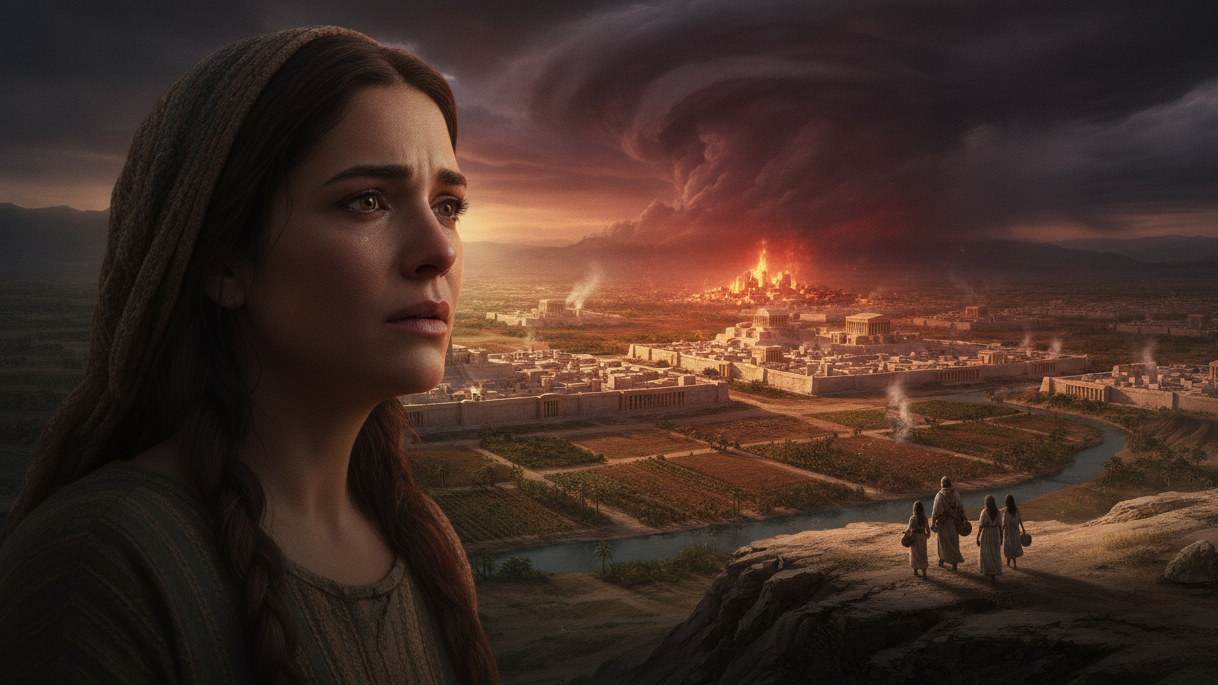
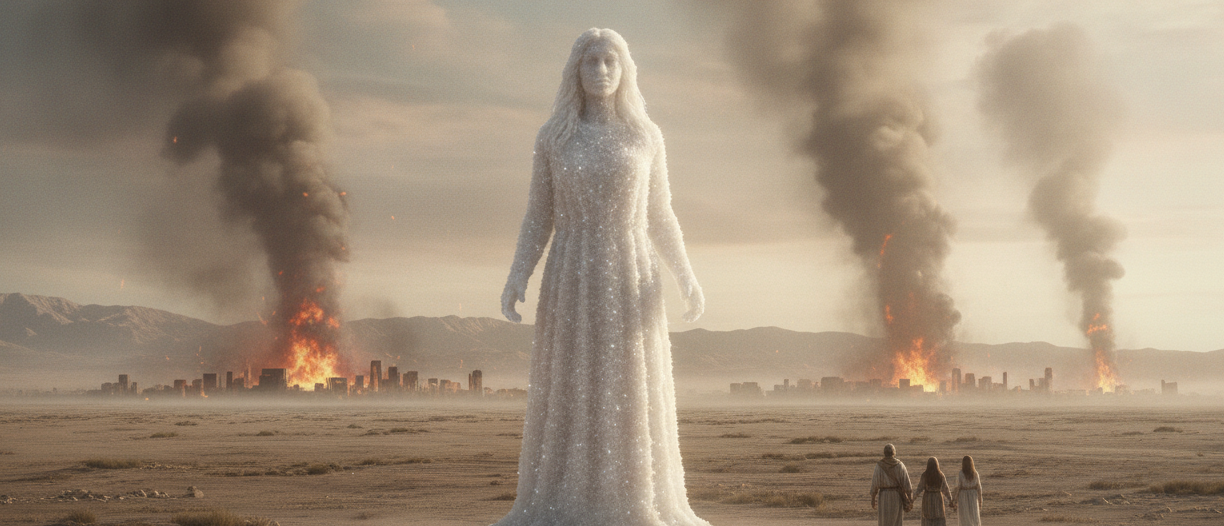
    “But Lot’s wife looked back behind him, and she became a pillar of salt.”

    Genesis 19:26

    But why would simply looking back result in such a severe judgment? Indeed, if our cities or houses were burning and we left behind many prized possessions, we might also look back. It seems that this brief event might be revealing something deeper about how God judges.

    To answer these questions, we must look beyond the surface of the story and understand the pattern of God’s dealings with humanity. In this post, we look at how God judges, how He warns His people, and we try to unpack the mystery of Lot’s wife.


    God does Not Judge Without Warning

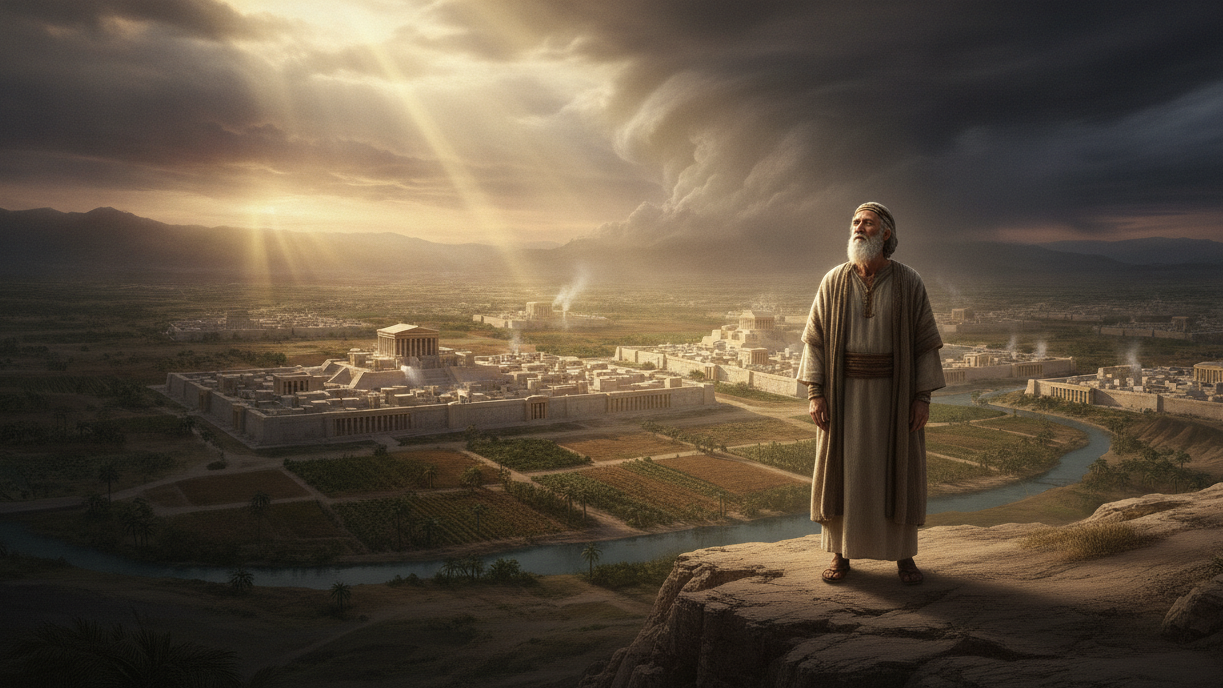
    One of the great principles found throughout Scripture is that God reveals His intentions before He acts. God does not reveal them to just anyone, but to His people of mission. The prophet Amos writes:

    “Surely the Lord GOD does nothing, unless He reveals His secret to His servants the prophets.”

    Amos 3:7

    In the same way, before Sodom was destroyed, God spoke with Abraham. In fact, God said:

    “Shall I hide from Abraham what I am about to do?”

    Genesis 18:17

    What follows is one of the most remarkable conversations in the Bible. Abraham intercedes for the city, asking whether God would spare it if righteous people could be found there. God agrees that He would, even if there were only ten righteous people in the city.

    This reveals something essential about God’s character. God is not eager to destroy, but rather, He is eager to save. Even as judgment approached, despite all the sins of the city, God was still listening to Abraham’s intercession and extending mercy.


    Sodom Had Reached the Point of Judgment

    Genesis describes the two cities, Sodom and Gomorrah, as exceedingly wicked. The Lord said to Abraham:

    “Because the outcry against Sodom and Gomorrah is great, and because their sin is very grave…”

    Genesis 18:20

    This “outcry” against Sodom and Gomorrah was not the result of a single act of wrongdoing. Like the world before Noah’s flood, the cities’ corruption had become deeply rooted. The prophet Ezekiel later explains that Sodom’s sins included pride, selfishness, neglect of the poor, and detestable practices.

    “This was the guilt of your sister Sodom: she and her daughters had pride, excess of food, and prosperous ease, but did not aid the poor and needy. They were haughty and did an abomination before Me.”

    Ezekiel 16:49–50

    God’s judgment therefore came after prolonged wickedness—not impulsive anger. We can imagine that God was sitting in Heaven, looking down at these cities for a long time before deciding to render judgment.


    God First Provided a Way of Escape

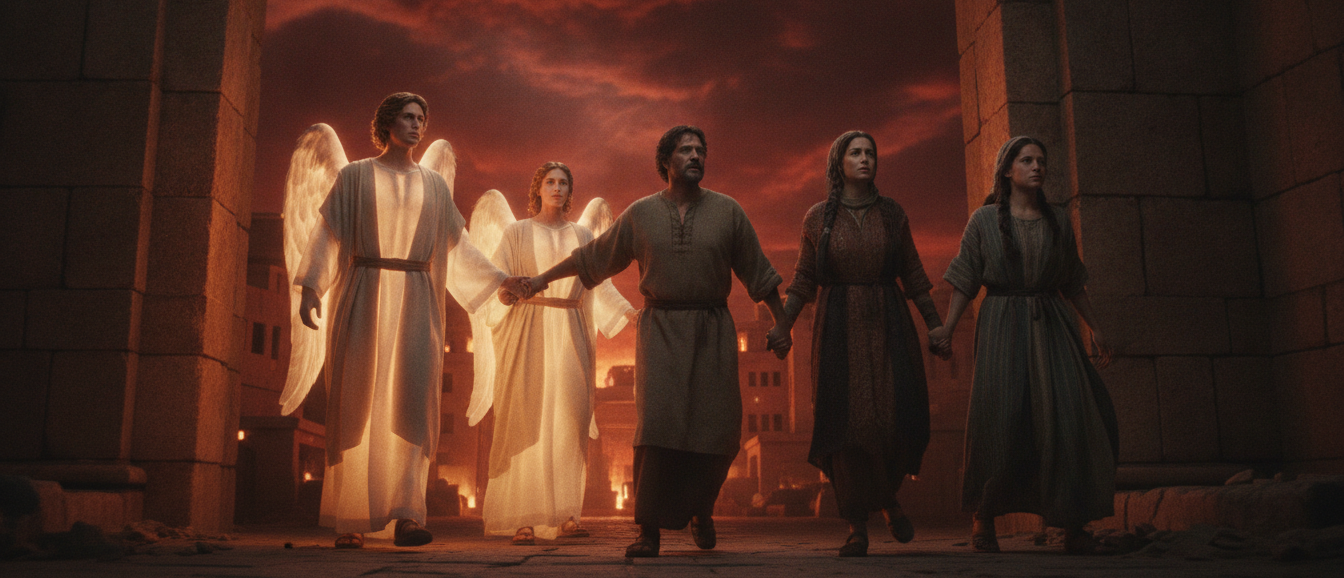
    In keeping with His methods of warning His people of mission first, before fire fell from heaven, God sent angels to rescue Lot and his family. As fire was falling from the sky, the angels urgently warned Lot and his family:

    “Up! Take your wife and your two daughters who are here, lest you be swept away in the punishment of the city.”

    Genesis 19:15

    Yet even then, Lot hesitated. Genesis tells us:

    “And while he lingered, the men took hold of his hand, his wife’s hand, and the hands of his two daughters, the LORD being merciful to him…”

    Genesis 19:16

    What an incredible statement. This makes us reflect: if I were in Lot’s situation, would I also hesitate leaving everything behind? Would I also look back and watch all my life’s possessions burn?


    The rescue itself was an act of mercy.

    Even when Lot delayed, God reached out and led them toward safety. This pattern should sound familiar if you know the story of Noah and the ark. Before the flood, God provided the ark through telling Noah to build it. Likewise, before the destruction of Sodom, God provided an escape. In essence, before judgment comes, God provides salvation.


    What Did It Mean That Lot’s wife “Looked Back”?

    Many people imagine that Lot’s wife merely glanced over her shoulder and looked back. But the context suggests something much deeper. The command that God gave them was clear:

    “Do not look behind you.”

    Genesis 19:17

    The Hebrew idea behind “looking back” carries the sense of turning one’s attention or regard toward something, not just physically looking behind you. Jesus Himself explains the spiritual meaning centuries later. Speaking about His return, He gives a surprising warning:

    “Remember Lot’s wife.”

    Luke 17:32

    Why would Jesus tell His disciples to remember such a brief event? Because He immediately continues to say:

    “Whoever seeks to preserve his life will lose it, but whoever loses his life will keep it.”

    Luke 17:33

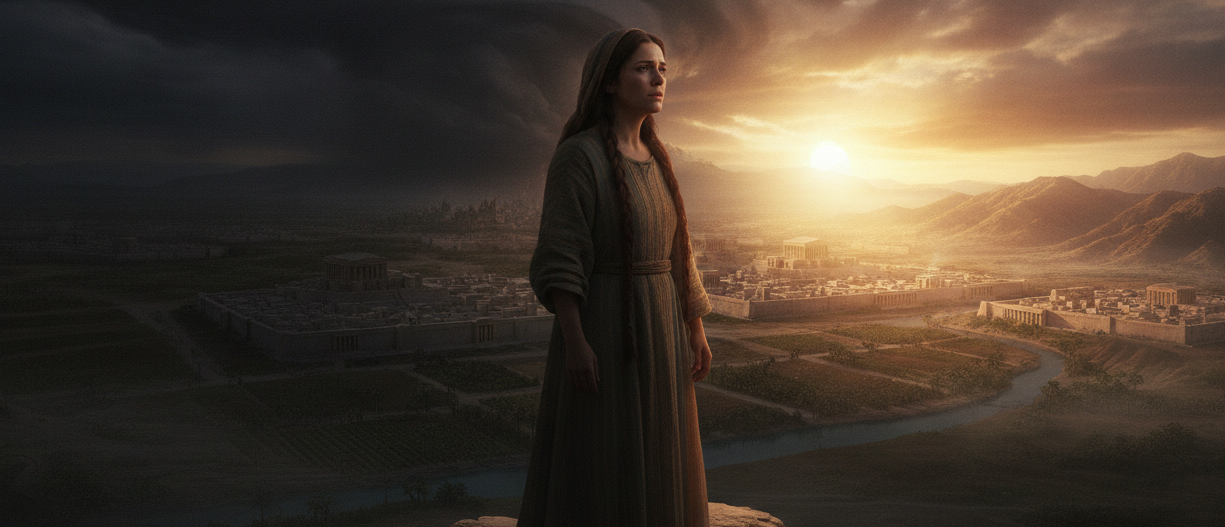
    Jesus reveals that Lot’s wife represents something far deeper than curiosity. She physically left Sodom, but her heart remained there. Her body was moving toward salvation, but her affections were still attached to the world she was leaving behind.


    A Warning About the Human Heart

    Not only in this story, but throughout Scripture, God is concerned not merely with outward actions but with the condition of the heart. Jesus taught:

    “For where your treasure is, there your heart will be also.”

    Matthew 6:21

    Lot’s wife had been offered deliverance. Yet at the critical moment, something behind her still held her attention. In this way, her story becomes a warning about divided loyalty. Leaving behind sin is not merely a matter of changing location, but it is a deeper action connected to the heart. Turning back requires a changed heart.


    Judgment and Mercy Meet Together

    Many people read the account of Lot’s wife and conclude that God acted harshly. Yet when we step back, we see it is in fact the opposite.

    1. God had warned Abraham.
    2. God investigated the city.
    3. God listened to intercession.
    4. God sent angels.
    5. God physically led Lot’s family out.
    6. God repeatedly urged them to flee.

    Every step demonstrates patience and mercy before judgment finally arrived. This reflects the heart of God revealed elsewhere in Scripture. The Lord declares:

    “As surely as I live… I take no pleasure in the death of the wicked, but rather that they turn from their ways and live.”

    Ezekiel 33:11

    Likewise, Peter writes:

    “The Lord is not slow concerning His promise… but is patient toward you, not wishing that any should perish, but that all should come to repentance.”

    2 Peter 3:9

    As we can see from these scripture and this event, judgment was never God’s first desire. Salvation was. However, salvation required trusting God’s word completely.


    Why Salt?

    One of the most frequently asked questions is why Lot’s wife became a pillar of salt. The Bible does not explicitly explain why salt was chosen. Rather than speculating beyond Scripture, it is wise to acknowledge that the text leaves this detail unexplained.

    What the Bible does emphasize is the consequence of turning back after being called to safety. Throughout Scripture, physical events often become lasting signs that point to spiritual realities. Lot’s wife became a permanent reminder that hearing God’s warning is not enough.

    We must respond in faith.


    A Lesson for Every Generation

    Jesus did not tell us to remember Noah’s ark in the context of Judgment. Rather, He specifically said:

    “Remember Lot’s wife.”

    Luke 17:32

    Why does Jesus refer to Lot’s wife? Because the temptation to look back still exists. When God calls people out of darkness into His kingdom, there is always the temptation to cling to what must be left behind. The story is therefore not merely about one woman in one ancient city.

    The story of Lot’s wife is about every person who hears God’s call and must choose to trust Him completely. Just as God called Lot and his family out of Sodom and Gomorrah, God calls us every day and we must choose to respond to His call.


    Questions Worth Exploring Further

    The account of Sodom raises many fascinating questions:

    Why did Abraham negotiate with God?
    What does this reveal about God’s justice?
    What exactly were the sins of Sodom?
    Why did God send angels instead of acting immediately?
    Why was Lot rescued despite his weaknesses?
    What is the significance of becoming a pillar of salt?
    How does Jesus connect this story to His second coming?

    These questions deserve careful study because they reveal not only the meaning of one historical event but also the consistent character of God throughout Scripture.


    Final Reflection

    Lot’s wife was not turned into salt because God delights in punishment. Her story stands as a solemn reminder that salvation requires trusting God’s word without looking back.

    Throughout Scripture, God follows a consistent pattern. God first reveals His plans. Then He warns. Then, most importantly, God extends mercy and provides a way of escape. Only then does judgment come.

    That pattern began long before Sodom, continued through Noah, was seen again in Egypt, echoed through the prophets, and ultimately points us to Christ Himself—the One through whom God has provided the final and complete way of salvation.

    The question is no longer simply, “Why did Lot’s wife look back?” The deeper question is: when God calls us forward, will we trust Him enough not to look back?


    Do you want to know how to trust god when he tries to save you?

    If you’ve ever wanted to move beyond familiar Bible stories and understand the deeper message they reveal, we invite you to join us as we continue unlocking the Bible—one question at a time.